
Electric vs Pneumatic Actuators: Which One to Choose?

Overview
Actuators are essential components that automate valve operation. The two most common types are electric and pneumatic, each with distinct advantages for different applications.
Electric Actuators
Electric actuators use an electric motor to drive the valve. Key advantages include:
- Precise positioning — Ideal for modulating control with position feedback
- Self-locking — Maintains position without continuous power
- Easy integration — Compatible with MODBUS, HART, and Profibus protocols
- Energy efficient — Only consumes power during operation
Pneumatic Actuators
Pneumatic actuators use compressed air to move the valve. Their benefits include:
- Fast operation — Typical stroke times of 1-3 seconds
- High force output — Excellent torque-to-size ratio
- Fail-safe capability — Spring-return models provide automatic fail position
- Explosion-proof — Inherently safe in hazardous environments
Decision Matrix
Choose electric actuators when precision, remote monitoring, and energy efficiency are priorities. Choose pneumatic actuators when speed, high torque, and fail-safe operation are critical. MetaValve offers both types across our E, K, and R actuator series.
Related Articles
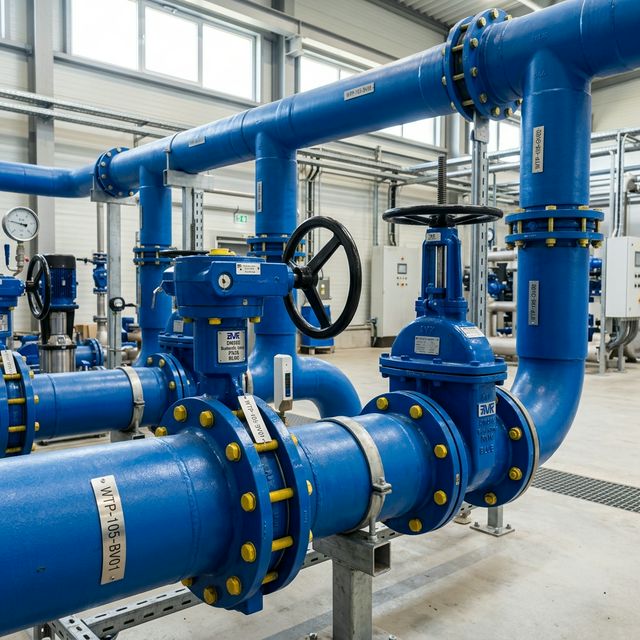
Understanding Gate Valve Specifications: A Complete Guide
Learn about the key specifications that define gate valve performance, including pressure ratings, temperature ranges, and material selection for industrial applications.
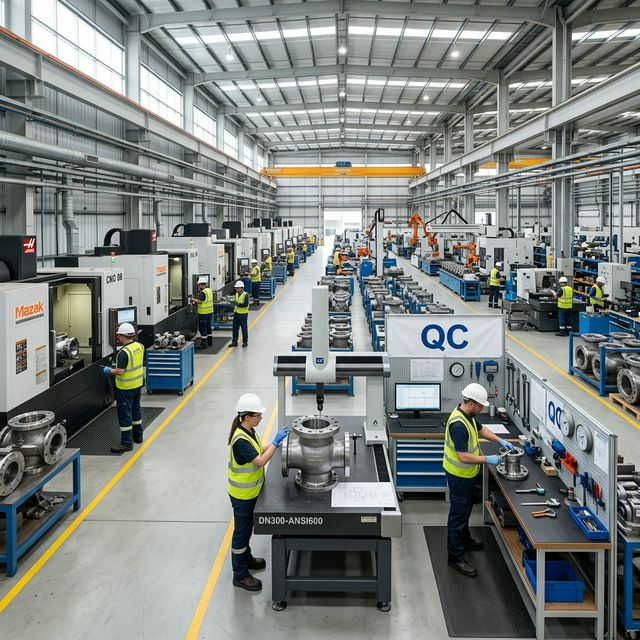
MetaValve Expands Product Range with New API 600 Series
Our latest gate valve series meets API 600 and ASME B16.34 standards, designed for high-pressure oil & gas applications up to Class 2500.

How to Select the Right Butterfly Valve for Your Application
A practical guide to choosing the correct butterfly valve type, size, and material based on your specific process requirements and operating conditions.